This post contains affiliate links. If you buy through our links we may earn a small commission — at no extra cost to you. This never influences our recommendations.
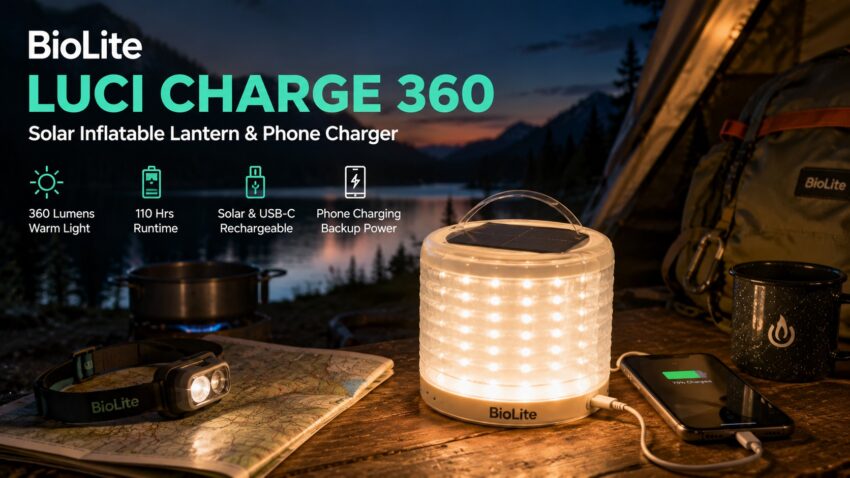
The Luci Charge 360 has a longer track record than almost any other solar camping product on the market — the original inflatable Luci design dates back to 2012 under MPOWERD, and BioLite acquired the company in 2024, rebranding the lineup under its own name while keeping the core design intact. This review covers what genuinely long-term ownership confirms, an honest gap between claimed and real-world runtime, and one design trade-off worth understanding before you buy.
Full Specifications
| Spec | BioLite Luci Charge 360 |
|---|---|
| Light output | 360 lumens on high, adjustable down for tent use |
| LEDs | 31 warm white LEDs, matte finish for glare-free diffusion |
| Battery | 4,000mAh built-in lithium-ion |
| Claimed runtime | Up to 110 hours (on lowest setting) |
| Charging methods | Solar (built-in panel) or USB-C |
| Mobile device charging | Yes — doubles as an emergency phone charger via USB output |
| Weight | 10.1 oz (286g) |
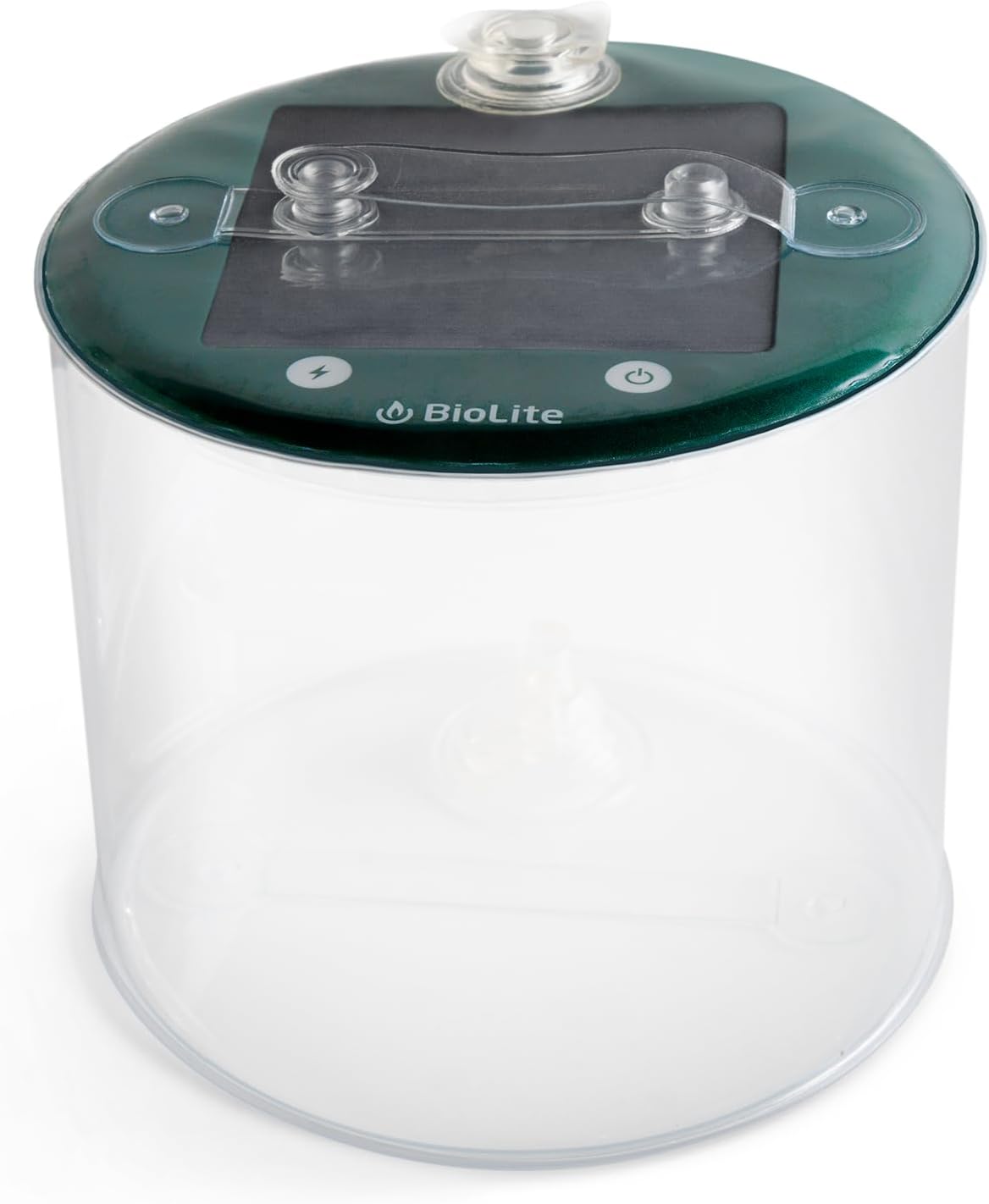
| Collapsed size | 1.5 inches thick |
| Weatherproofing | IP67, withstands up to 150 lbs of pressure |
| Inflation method | Manual — inflate by mouth |
| Warranty | 1 year for manufacturing defects |
| Brand history | Originally MPOWERD (est. 2012), acquired by BioLite in 2024 |
Real Long-Term Durability — Not Just a Marketing Claim
This is where the Luci Charge 360 genuinely distinguishes itself from most camping gear reviews, which typically cover only a few weeks or months of use. One detailed reviewer specifically documented owning the same lantern (originally purchased as the MPOWERD Luci Base Light) for five years and counting, describing it as “an incredibly solid pick” with genuine long-term value. Independent outlet GearJunkie went further, headlining their review “Undefeated After 10 Years” and confirming they’d been genuinely impressed with the Luci lineup for over a decade of testing across multiple models.
This kind of multi-year confirmed durability is rare in the camping gear space, where most reviews only capture a single season of use before publishing.
A Real Emergency-Use Story Worth Knowing
GearJunkie’s review included a genuinely useful real-world anecdote: at a campsite around 10 p.m., a phone died along with the music, and the reviewer’s main battery bank had been left behind in the truck. The Luci lantern — which had been providing ambient light all evening — still had enough reserve charge to revive the phone via its USB output. This is exactly the kind of secondary-use value that separates the Luci Charge 360 from a lantern that only lights up a tent — it’s genuinely functioning as backup power in a pinch, not just marketing copy.
The Honest Gap Between Claimed and Real Runtime
BioLite states up to 110 hours of light on a single charge, but this figure applies specifically to the lowest brightness setting. One detailed independent test of an earlier Luci model found actual measured burn time was “pretty good, if not quite as impressive as promised” when timed at home — a genuine, if modest, gap between the marketing claim and real-world performance. This is a common pattern across the solar lantern category broadly, and worth factoring into your expectations: plan around meaningfully less than 110 hours if you’re regularly using higher brightness settings, which is likely for most actual camping use where low-setting-only operation isn’t practical.
The Design Trade-Off: Manual Inflation and Puncture Risk
The inflatable design is core to how Luci lanterns diffuse light so evenly, but it comes with two real trade-offs worth knowing. First, inflation is manual — you blow it up by mouth, which some users find genuinely inconvenient compared to a rigid lantern you simply unfold or extend. Second, one long-term reviewer specifically noted that puncturing the lantern with something sharp will cause it to fail to fully inflate — a real fragility consideration for anyone tossing gear loosely into a pack alongside knives, hooks, or other sharp camping equipment.
For buyers specifically bothered by this trade-off, at least one experienced reviewer recommended the LuminAID PackLite Titan as an alternative — a similar inflatable solar lantern with a somewhat larger solar panel that doesn’t require manual breath-inflation.
Solar and USB Charging in Practice
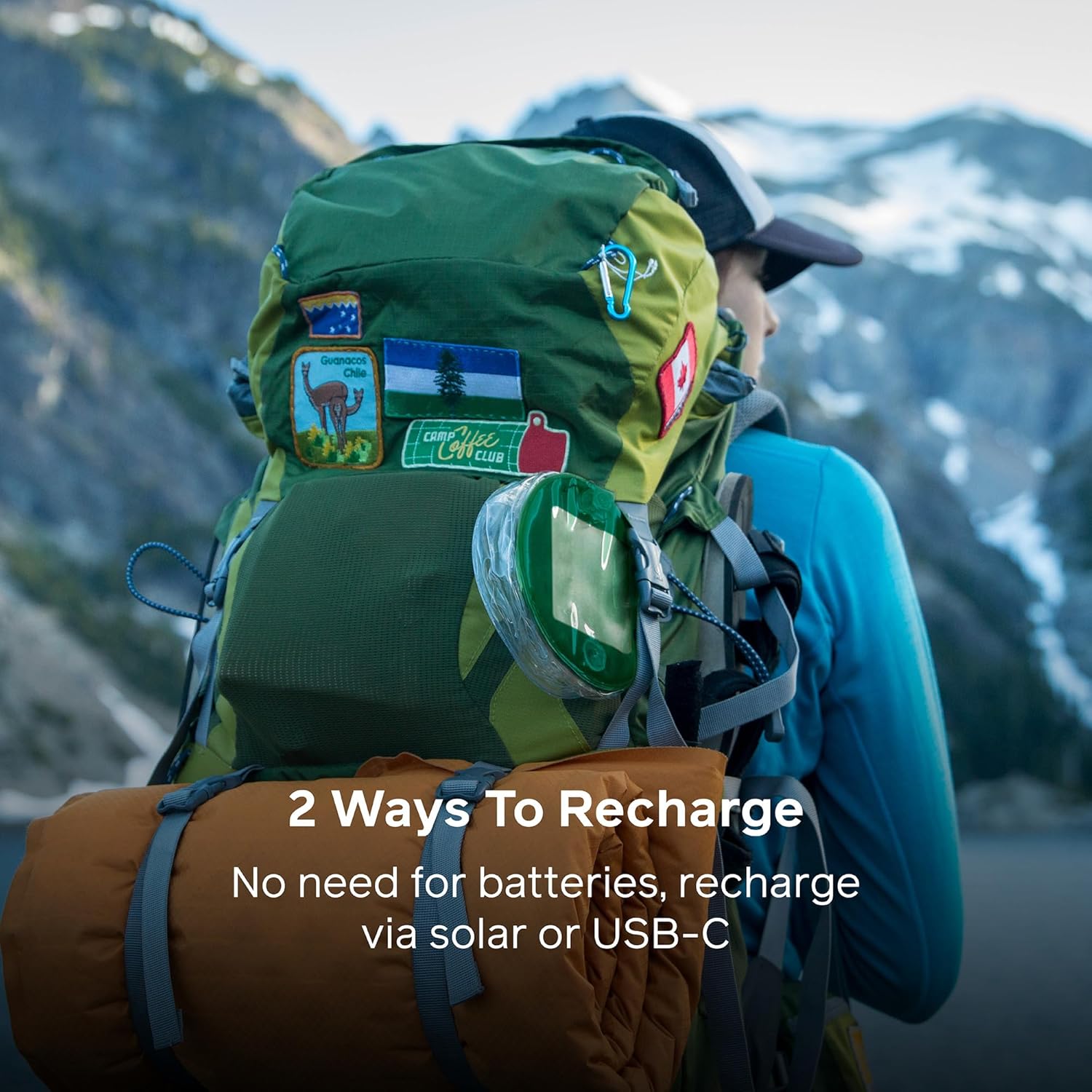
A full solar charge takes roughly a full day of direct sun exposure, consistent with the built-in panel size on a lantern this compact. USB-C charging serves as the practical backup — useful for a quick top-up before a trip, or during extended cloudy stretches where relying purely on solar isn’t realistic. This dual-charging flexibility is a genuine advantage over solar-only camping lights that leave you stuck if the weather doesn’t cooperate.
Honest Pros and Cons
Pros: Confirmed multi-year durability from long-term reviewers (5+ years, and a decade-plus product track record), genuinely useful emergency phone charging capability, dual solar/USB-C charging flexibility, IP67 waterproofing rated to withstand real outdoor abuse, warm, glare-free 360-lumen output, packs down to 1.5 inches
Cons: Claimed 110-hour runtime applies only to the lowest brightness setting and real-world testing found a modest gap versus marketing claims, manual mouth-inflation is a genuine inconvenience for some users, vulnerable to puncture from sharp objects packed alongside it, only a 1-year warranty despite the multi-year durability track record
Who Should Buy the Luci Charge 360
Best for:
- Car campers and backpackers who want a genuinely proven, long-lived lantern rather than an unproven new entrant
- Anyone who wants a lantern that doubles as genuine emergency phone charging backup
- Buyers prioritizing packability — 1.5 inches collapsed is hard to beat
- Households wanting reliable backup lighting for power outages alongside camping use
Consider alternatives if:
- You dislike manual inflation or frequently pack sharp gear alongside your lantern — the LuminAID PackLite Titan is a reasonable non-breath-inflated alternative
- You need genuinely reliable multi-day runtime at higher brightness settings without recharging
Frequently Asked Questions
Is the BioLite Luci Charge 360 the same as the MPOWERD Luci Base Light?
Yes, essentially — MPOWERD created the original inflatable Luci lantern design in 2012, and BioLite acquired MPOWERD in 2024, rebranding the lineup under the BioLite name. The core design and testing history carry over from the earlier MPOWERD models.
How long does the Luci Charge 360 actually last on a charge?
BioLite states up to 110 hours, but this applies specifically to the lowest brightness setting. Independent testing of an earlier Luci model found real-world burn time fell somewhat short of the marketing claim, though still reasonably good. Expect meaningfully less than 110 hours at higher, more practically usable brightness levels.
Can the Luci Charge 360 charge my phone?
Yes — it includes mobile device charging capability via its USB output, functioning as genuine emergency backup power in addition to providing light. One reviewer specifically documented using this feature to revive a dead phone at a campsite when their main power bank wasn’t available.
What happens if the Luci Charge 360 gets punctured?
According to at least one long-term reviewer, puncturing the lantern with something sharp will cause it to fail to fully inflate, meaning reduced or uneven light diffusion. Pack it away from knives, fishing hooks, or other sharp gear to avoid this.
Does the Luci Charge 360 need to be inflated by mouth?
Yes — inflation is manual, requiring you to blow it up before use. This is a genuine point of friction for some users compared to rigid lanterns. If this bothers you, the LuminAID PackLite Titan is a reasonable alternative that doesn’t require breath-inflation.
The Bottom Line
The Luci Charge 360 backs up its reputation with genuine multi-year durability confirmed by long-term owners and independent reviewers alike — a rare thing in camping gear reviews, which typically cover only a season or two. The honest trade-offs are a real gap between claimed and actual runtime at practical brightness levels, and the manual inflation design that carries genuine puncture risk. For anyone wanting a proven, packable lantern with real emergency charging value, it remains a smart, well-tested choice.
Check the BioLite Luci Charge 360 on Amazon →
For BioLite’s power station offering, see our BioLite BaseCharge 600+ review. For solar panels to pair with off-grid camping gear generally, see our 100 watt solar panel guide.