This post contains affiliate links. If you buy through our links we may earn a small commission — at no extra cost to you. This never influences our recommendations.
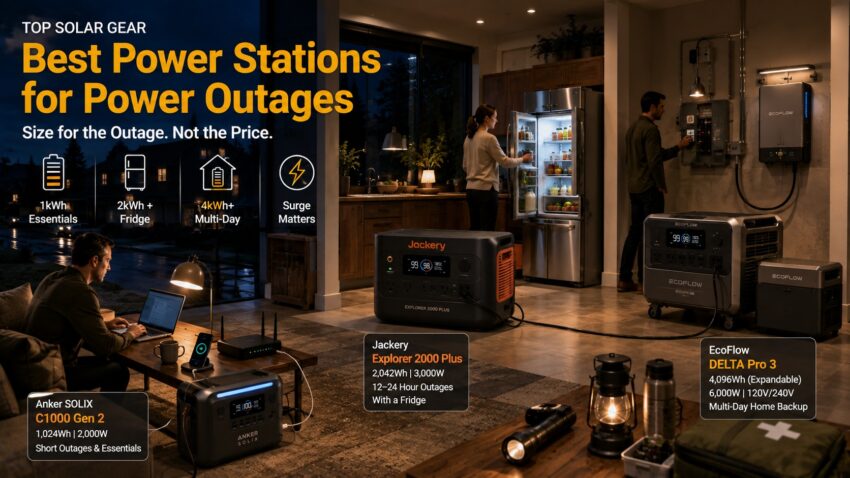
The average U.S. power outage nearly doubled in length in 2024. It’s now around 11 hours, driven mostly by major storms.
That changes the sizing math. A unit that covered “a few hours” a decade ago no longer matches what most people actually face.
The Surge Math Most Guides Skip
Watt-hours determine how long a unit runs. Inverter output in watts determines whether it can even start certain appliances.
This matters most for refrigerators. A compressor needs 3-5x its running wattage as a brief surge just to start. A 150W fridge needs 600-750W of surge capability — miss this spec, and the unit simply won’t start the fridge at all, regardless of battery size.
Real Tested Runtime, Not Just Marketing Claims
| Device | Draw | Real Tested Runtime |
|---|---|---|
| Standard refrigerator (1kWh unit) | 150-200W avg | 10-16 hours, confirmed at 14.5 hrs in one real outage test |
| CPAP machine | 30-60W | 16-30 hours on 1,000Wh |
| Oxygen concentrator | 200-400W | 2-5 hours continuous |
| Fridge + CPAP combined | 200-300W | 6-8 hours on 1,000Wh |
| Electric space heater | 1,000-1,500W | Only 1-2 hours even on a large unit — plan alternate heat instead |
Space heaters are the honest exception. Even a large 4kWh unit only manages a couple of hours running one. If sustained heat matters during your outage, plan around a fireplace or a fuel-based backup instead.
Size by Outage Length, Not by Budget
| Outage Length | Recommended Capacity | Realistic Coverage |
|---|---|---|
| Under 12 hours, essentials only | 768-1,024Wh | Phones, laptops, router, LED lights |
| 12-24 hours, includes a fridge | 1,800-2,048Wh | Fridge plus essentials, comfortably |
| Multi-day, whole-home priority circuits | 4,000Wh+, expandable | Fridge, medical equipment, select outlets for days |
One retailer with 18 months of real customer-return data through actual disasters — hurricanes, winter storms, multi-day grid failures — found the same pattern repeatedly: buyers who go one size up rarely regret it. Buyers who cut it close usually do.
Best Power Stations for Power Outages — Verified Picks
Best for Under 12-Hour Outages: Anker SOLIX C1000 Gen 2
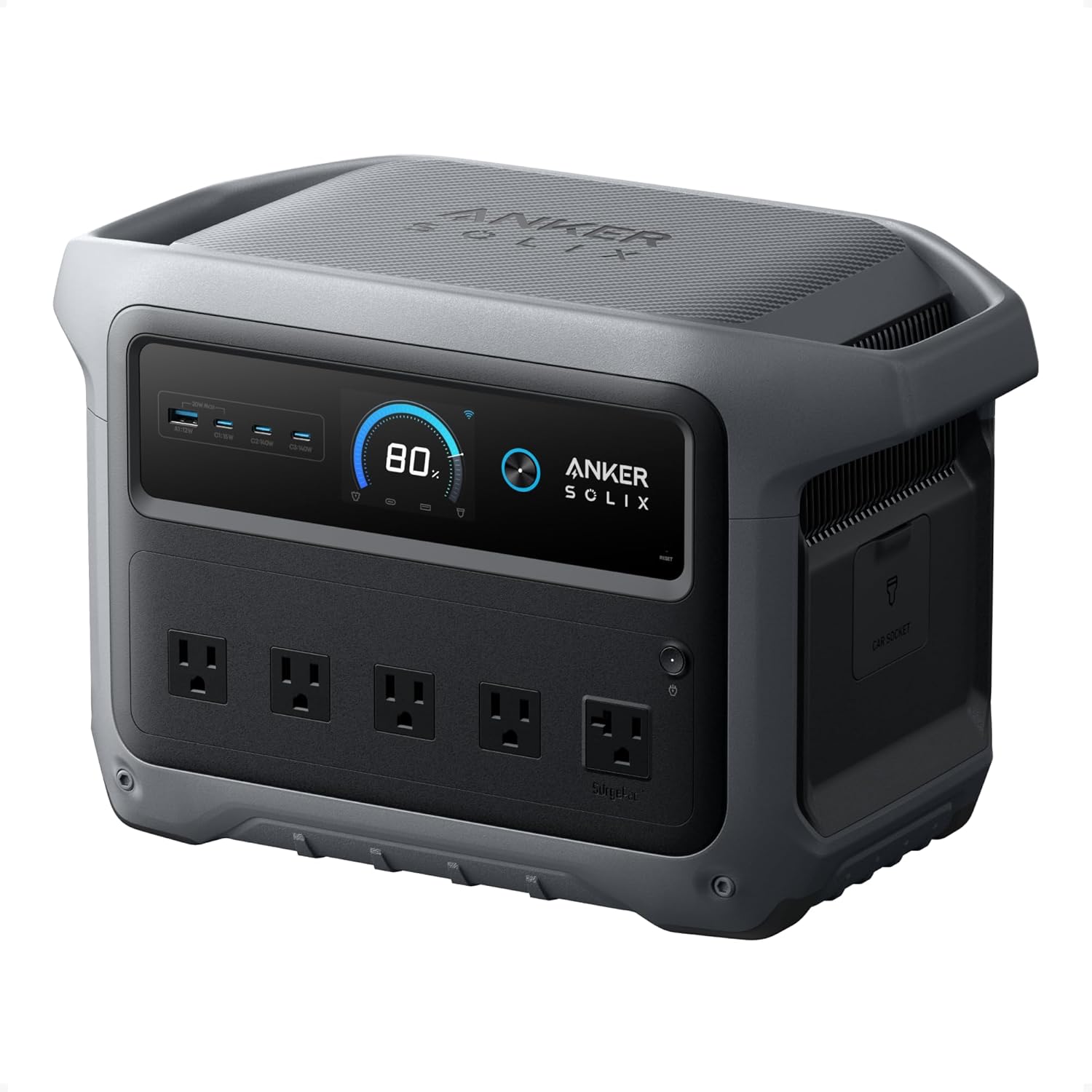
At 1,024Wh and 2,000W continuous output, this handles phones, a laptop, a router, and LED lighting comfortably through a typical short outage.
The 49-minute full charge is a genuine advantage here — top it off quickly before a forecasted storm, or recharge fast between outage events. For the full breakdown against its closest EcoFlow rival, see our Anker C1000 Gen 2 vs EcoFlow DELTA 3 Plus comparison.
Best for 12-24 Hour Outages With a Fridge: Jackery Explorer 2000 Plus
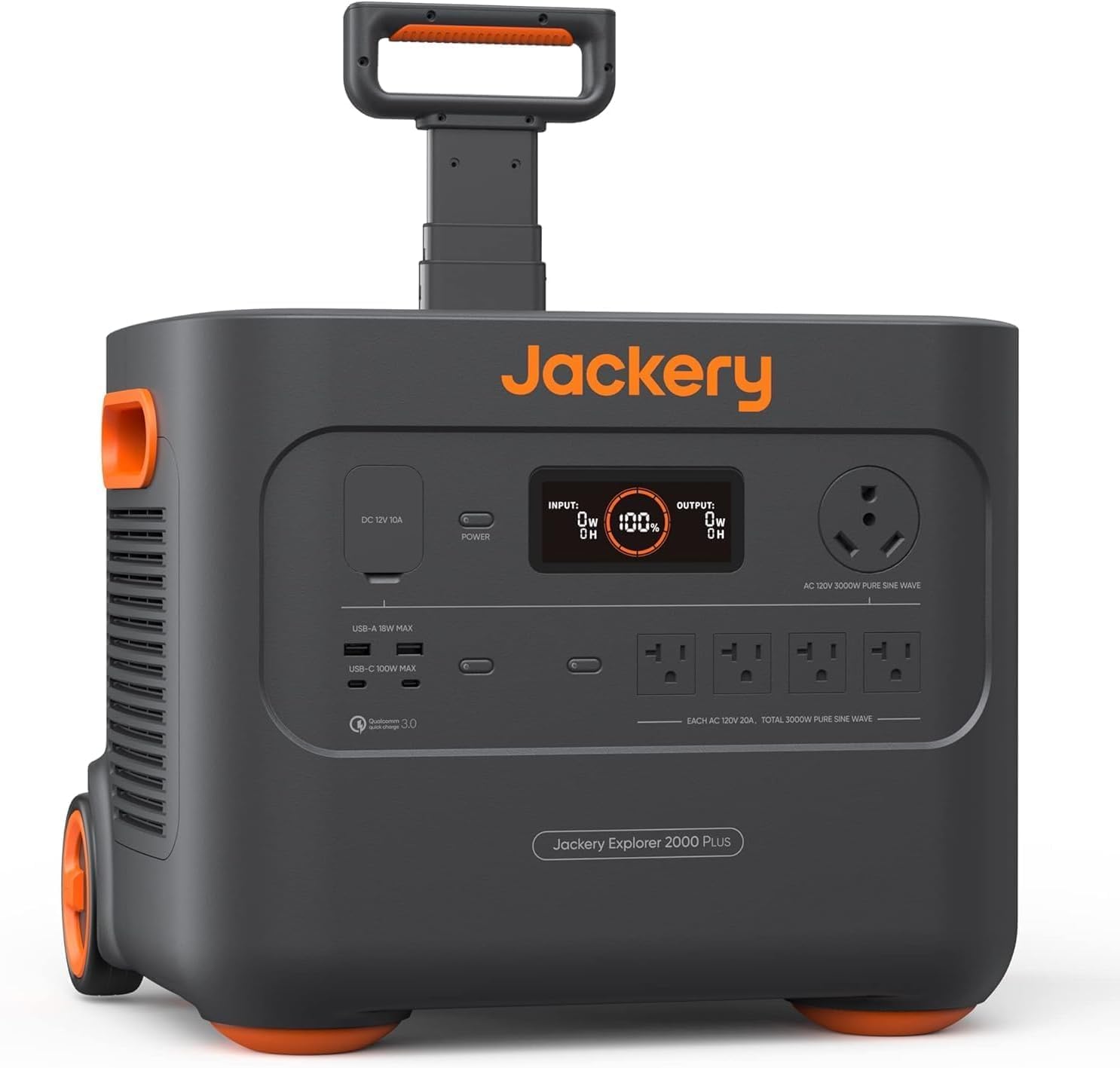
At 2,042Wh and 3,000W continuous output, this comfortably clears the surge requirement for even a demanding fridge compressor, with real capacity left over for lighting and device charging.
Independent testing at this capacity tier consistently confirms 10-16+ hours of fridge runtime, matching the field data above. For the full spec breakdown, see our Jackery Explorer 2000 Plus review.
Best for Multi-Day Whole-Home Backup: EcoFlow DELTA Pro 3
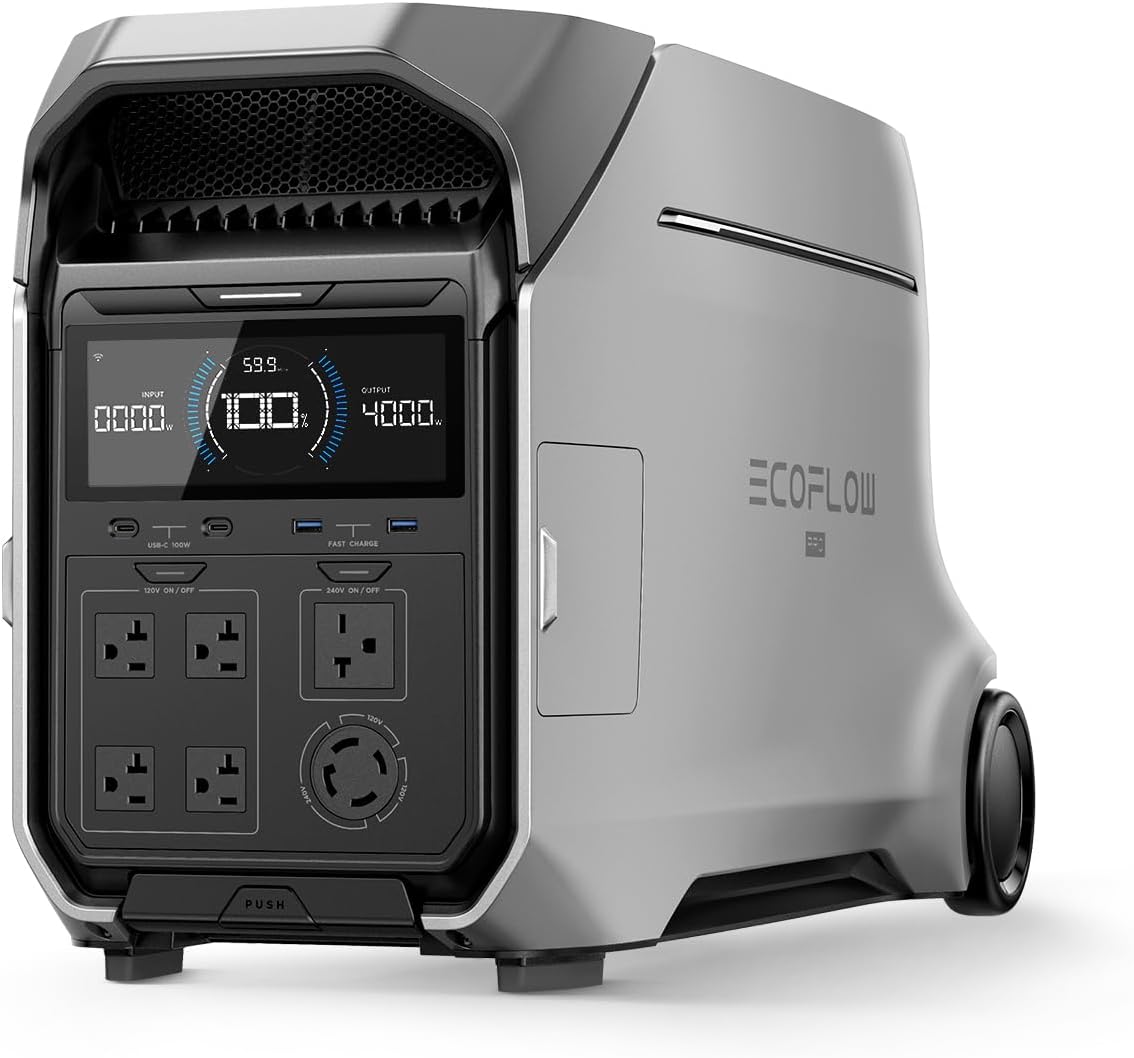
At 4,096Wh base capacity with expansion available, this is built for outages measured in days rather than hours — a fridge, medical equipment, and select priority circuits, sustained.
An optional transfer switch kit lets you choose exactly which home circuits draw from the unit, switching over cleanly when grid power fails. For the full breakdown, see our EcoFlow DELTA Pro 3 review.
Buy Before You Need It
Units sell out fast ahead of forecasted storms, and shipping delays compound the problem right when you need a fix fastest.
Buy at least a week before severe weather season, charge to 100%, and store it somewhere accessible — not buried in a closet you can’t reach quickly.
Frequently Asked Questions
What size power station do I need for a typical outage?
For outages under 12 hours with just phones, laptops, and lights, 768-1,024Wh is enough. Add a fridge to the mix, and 1,800-2,048Wh is the safer target given the average outage now runs around 11 hours.
Will any power station start my refrigerator?
Only if its surge output covers 3-5x the fridge’s running wattage. A 150W fridge needs roughly 600-750W of surge capability — check this spec specifically, not just the watt-hour rating.
Can a portable power station run a CPAP machine?
Yes, comfortably. A CPAP drawing 30-60W runs 16-30 hours on a 1,000Wh unit. Running it alongside a fridge cuts that to roughly 6-8 hours on the same capacity.
Can I run a space heater during an outage?
Not for long. Even a large 4kWh unit only sustains a space heater for 1-2 hours. Plan on a fireplace or other heat source if your outage strategy depends on sustained heating.
How much bigger should I buy than my minimum estimate?
One size up from your calculated minimum is the consistent recommendation among sellers with real disaster-response data. Extra capacity costs less in hindsight than running short mid-outage.
Final Verdict
| Your Situation | Best Pick |
|---|---|
| Short outages, essentials only | Anker SOLIX C1000 Gen 2 |
| 12-24 hour outages, need to run a fridge | Jackery Explorer 2000 Plus |
| Multi-day, whole-home priority circuits | EcoFlow DELTA Pro 3 |
The Bottom Line
Size for the outage you’ll actually face, not the one you hope for. With average outage length nearly doubling, a unit that only covers “a few hours” leaves a real gap.
Check surge wattage against your fridge’s actual startup requirement before buying on watt-hours alone — that spec decides whether the unit works at all, not just how long.
For hurricane-specific sizing, see our solar generator for hurricane preparedness guide. For a broader look at this capacity tier, see our best 1000W solar generators for the money guide.